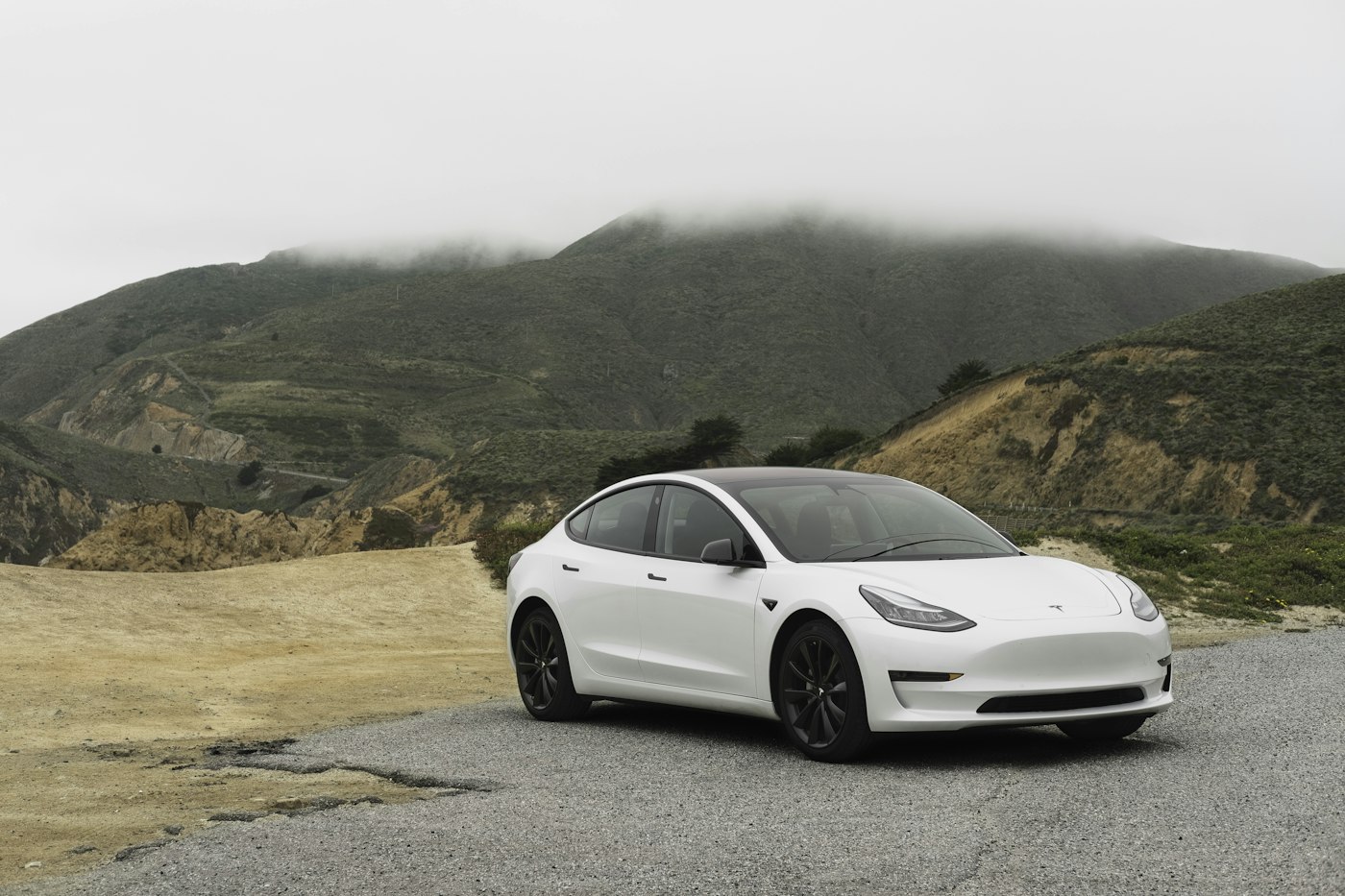
Tesla is the most popular electric vehicle brand in California by a wide margin. In Solano County and Monterey County alone, you cannot drive five minutes without seeing a Model 3 or Model Y. As detailers, we work on more Teslas than almost any other brand. And after detailing hundreds of them, we can tell you: Teslas have specific needs that many car owners and even some detailers do not fully understand.
This guide covers everything Tesla owners need to know about properly detailing and protecting their vehicle, from the well-documented thin paint issue to the often-overlooked vegan leather interior care.
The Tesla Paint Problem: Thin Clear Coat
Let us address the elephant in the room first. Tesla's paint quality has been a topic of discussion in the automotive community since the early Model S production days, and the concern is legitimate.
How Thin Is Tesla Paint?
When we measure Tesla paint with a thickness gauge (which we do on every vehicle before any correction work), we consistently find clear coat measurements between 1.5-2.5 mils (38-63 microns). For context, most German manufacturers (BMW, Mercedes, Audi) deliver vehicles with 3-4 mils (76-102 microns) of clear coat, and Japanese manufacturers (Toyota, Lexus) are often even thicker.
This means Tesla's clear coat is roughly 40-60% thinner than the industry average. That thin clear coat has real consequences:
Scratches more easily. With less clear coat material between the surface and the base coat, even light contact from improper washing can create visible swirl marks and micro-scratches. Many new Tesla owners are shocked to discover their brand-new car has visible swirl marks under direct sunlight within weeks of purchase.
Less room for correction. Paint correction works by removing a microscopic layer of clear coat to level out scratches. With a standard 3-4 mil clear coat, there is ample material for multiple rounds of correction over the vehicle's lifetime. With Tesla's thinner clear coat, there is significantly less margin for error. An inexperienced detailer who removes too much material can burn through to the base coat, requiring a panel respray.
More susceptible to UV damage. Thinner clear coat provides less UV filtration for the base coat and color layers beneath. In California's intense sun, this accelerates oxidation and fading.
Paint Quality by Model and Production Year
Tesla's paint quality has varied by model and production year. Early Model S and Model X vehicles from the Fremont factory had notably inconsistent paint application. Model 3 and Model Y paint improved over time but remains thinner than competitors. Vehicles from the Shanghai Gigafactory have generally shown slightly better paint consistency than early Fremont production.
Regardless of model or year, every Tesla benefits from immediate paint protection. The sooner you protect that thin clear coat, the better.
Ceramic Coating for Tesla: Essential Protection
Given everything above, ceramic coating is not a luxury for Tesla owners. It is a necessity. Here is why it matters more for Teslas than for most other vehicles:
Sacrificial layer. Ceramic coating creates a hard, semi-permanent layer on top of the clear coat that absorbs micro-abrasion, UV damage, and chemical etching instead of the thin factory clear coat absorbing those hits. It is effectively adding a protective layer that Tesla did not provide enough of from the factory.
Hydrophobic self-cleaning. Tesla's flat body panels and glass roof collect and display dirt prominently. A hydrophobic ceramic coating causes water and contaminants to sheet off the surface, keeping the vehicle cleaner between washes and reducing the frequency of contact washing, which is the primary source of wash-induced scratches.
UV protection. Premium ceramic coatings block UV radiation that would otherwise accelerate the degradation of Tesla's thin clear coat. In California, where UV exposure is among the highest in the nation, this is critical.
Paint Correction Before Coating: The Tesla Dilemma
Here is where Tesla-specific expertise matters. Because the clear coat is so thin, paint correction on a Tesla requires extreme caution. An experienced detailer will:
Take paint thickness readings on every panel before starting any correction work. This establishes a baseline and identifies panels with dangerously thin clear coat (which can vary significantly panel to panel on Teslas).
Use the least aggressive correction method possible. On most Teslas, a single-stage polish with a finishing compound and a soft foam pad is sufficient and safe. Multi-stage correction with heavy cutting compounds should only be used on specific panels with adequate thickness, not uniformly across the entire vehicle.
Accept 80-90% correction rather than risking a burn-through. On a BMW with 4 mils of clear coat, achieving 95-99% defect removal is safe and expected. On a Tesla with 2 mils of clear coat, targeting 80-90% correction is the responsible approach. The remaining 10-20% of deeper scratches are not worth the risk of compromising the clear coat integrity.
This is why choosing a detailer with experience on delicate paint systems matters. The techniques we use on Bugattis and Koenigseggs (which also have delicate, expensive paint systems) translate directly to Tesla correction work: measure first, conservative approach, and never chase perfection at the cost of paint integrity.
Tesla Interior Detailing: Vegan Leather and Electronics
Vegan Leather (Synthetic Polyurethane) Seats
Tesla transitioned to fully vegan interiors across all models. The seat material is a polyurethane-based synthetic leather that looks and feels premium but requires different care than traditional animal-hide leather. Here is what you need to know:
Do not use traditional leather conditioner. Products like Lexol, Leather Honey, and similar conditioners are formulated for animal hide. They contain oils and waxes that can leave a greasy, slippery film on Tesla's synthetic surfaces. Instead, use a dedicated synthetic leather cleaner and protectant. Chemical Guys makes a synthetic leather line, and Gyeon QuickView works well as a protectant.
Clean regularly to prevent dye transfer stains. This is particularly important for white interior Teslas (which are extremely popular). Raw or dark-wash denim can transfer blue dye onto the white seats. Once set, these stains are very difficult to remove. Clean the seats every 2-4 weeks with a damp microfiber and mild cleaner, paying attention to the bolsters where jeans contact the seat.
UV protect the seats. California sun streaming through Tesla's massive glass roof can fade and dry out the synthetic leather over time. Apply a UV protectant designed for synthetic materials every 2-3 months. This is especially important for the rear seat, which sits directly under the glass roof panel.
Steam cleaning is safe and effective. For deeper interior cleaning, steam is ideal for Tesla's synthetic leather. It sanitizes, lifts stains, and does not introduce excess moisture or chemicals. We use steam extraction on every Tesla interior detail.
The Touchscreen
Tesla's center touchscreen is the command center for the entire vehicle. On Model S and X, there is also an instrument cluster screen. These screens accumulate fingerprints constantly. Here is how to clean them properly:
Power down the screen before cleaning by tapping Controls > Safety > Power Off. This prevents accidental inputs and makes fingerprints more visible on the dark screen.
Use distilled water on a microfiber. Dampen a clean, lint-free microfiber cloth with distilled water (not tap water, which contains minerals that can leave residue). Wipe gently in straight lines, not circles.
Never spray directly onto the screen. Liquid can seep into the screen edges and damage the electronics behind the display. Always spray onto the cloth first.
Avoid ammonia-based cleaners. Windex and similar products contain ammonia that degrades the screen's oleophobic (fingerprint-resistant) coating. Once that coating is damaged, the screen will show fingerprints more prominently and feel less smooth to the touch.
Consider a screen protector. Matte screen protectors reduce fingerprint visibility and glare while adding a sacrificial layer of protection against scratches. They are inexpensive and easy to apply.
The Glass Roof
Tesla's panoramic glass roof is stunning but requires attention. The interior side collects dust, fingerprints, and off-gassing residue from the interior materials. Clean the interior glass with a dedicated automotive glass cleaner (ammonia-free) and a clean glass-specific microfiber towel. For the exterior, treat it like any other glass surface during your regular wash. A ceramic coating can be applied to the glass roof exterior for improved water shedding and easier cleaning.
Exterior Detailing Tips Specific to Tesla
The Piano Black Trim
Tesla uses extensive piano black (glossy black plastic) trim on door handles, mirror caps, window surrounds, and other exterior elements. This material scratches incredibly easily and shows every fingerprint and water spot. During your regular wash, use a dedicated trim cleaner and avoid touching these surfaces with anything other than a clean, soft microfiber. A ceramic coating applied to the piano black trim dramatically reduces fingerprints and micro-scratches.
Chrome Delete (Pre-2021 Models)
Pre-2021 Model 3 and Model Y vehicles came with chrome trim that many owners wrap or delete. If your Tesla still has chrome, regular polishing with a metal polish keeps it looking sharp. If you have had a chrome delete wrap applied, clean the wrap with wrap-specific cleaners and avoid waxes or sealants not designed for vinyl.
Wheels and Brake Dust
Tesla's regenerative braking system means less brake pad wear and less brake dust than traditional vehicles. This is great news for keeping wheels clean. However, the Aero wheel covers on the Model 3 and Model Y can trap dirt and debris between the cover and the wheel. During a full detail, remove the Aero covers, clean the wheels underneath, and clean the inside of the covers before reinstalling.
Headlights
Tesla headlight lenses can develop hazing and yellowing over time, particularly on older Model S and Model X vehicles. Our headlight restoration service removes oxidation and restores full clarity and light output. After restoration, a UV-resistant coating is applied to prevent recurrence.
The Ideal Tesla Detailing and Protection Package
Based on our experience detailing hundreds of Teslas across California, here is our recommended protection and maintenance plan for new and used Tesla owners:
Within 30 days of purchase: Full exterior detail with careful single-stage paint correction, ceramic coating application (entire exterior including trim, wheels, and glass), and interior detail with synthetic leather protection.
Every 1-2 weeks: Hand wash using the two-bucket method with pH-neutral soap. See our ceramic coating maintenance guide for detailed instructions.
Every 3-6 months: Professional maintenance wash with iron decontamination and ceramic booster application. Interior wipe-down with UV protectant on seats and trim.
Annually: Full professional detail including coating inspection, interior deep clean with steam, glass cleaning, and wheel service.
If you are considering ceramic coating for your Tesla and want to understand pricing, read our ceramic coating cost guide for California. We serve Tesla owners across both Solano County and Monterey County with fully mobile service.
Frequently Asked Questions
Yes. Independent paint thickness measurements consistently show that Tesla vehicles have thinner clear coat than most other manufacturers. Tesla clear coat typically measures 1.5-2.5 mils (38-63 microns), compared to 3-4 mils (76-102 microns) on vehicles from BMW, Mercedes, and Toyota. This thinner clear coat means Tesla paint scratches more easily and has less material available for paint correction before reaching the base coat.
Absolutely. Given Tesla's thin clear coat, ceramic coating is arguably more important for Teslas than for most other vehicles. Ceramic coating adds a sacrificial layer of protection that absorbs micro-scratches and UV damage instead of your already-thin clear coat. We recommend coating your Tesla as early as possible, ideally within the first few weeks of ownership before the paint accumulates wash-induced swirl marks.
Use a clean, dry microfiber cloth for daily fingerprint removal. For deeper cleaning, lightly dampen a microfiber cloth with distilled water or a screen-specific cleaner. Never spray liquid directly onto the screen, as it can seep into the edges. Avoid household glass cleaners containing ammonia, as they can degrade the screen's oleophobic coating over time. Clean the screen when the vehicle is powered off to prevent accidental inputs.
Tesla's synthetic leather (polyurethane-based) requires different care than traditional leather. Clean with a damp microfiber cloth and a mild, pH-neutral interior cleaner every 2-4 weeks. Avoid leather conditioners designed for animal hide, as they can leave a greasy film on synthetic surfaces. Use a UV protectant spray designed for synthetic materials to prevent fading and cracking from sun exposure. Avoid sitting in the car with unwashed raw denim, as the dye can transfer and stain the white interior permanently.
Black Teslas show scratches, swirl marks, and water spots the most dramatically due to the high contrast between the dark paint and light-colored scratches. Midnight Silver Metallic and Deep Blue Metallic also show imperfections easily. Pearl White Multi-Coat hides minor scratches the best due to the lighter color and pearlescent flake. Regardless of color, all Tesla paint benefits from ceramic coating due to the thin factory clear coat.