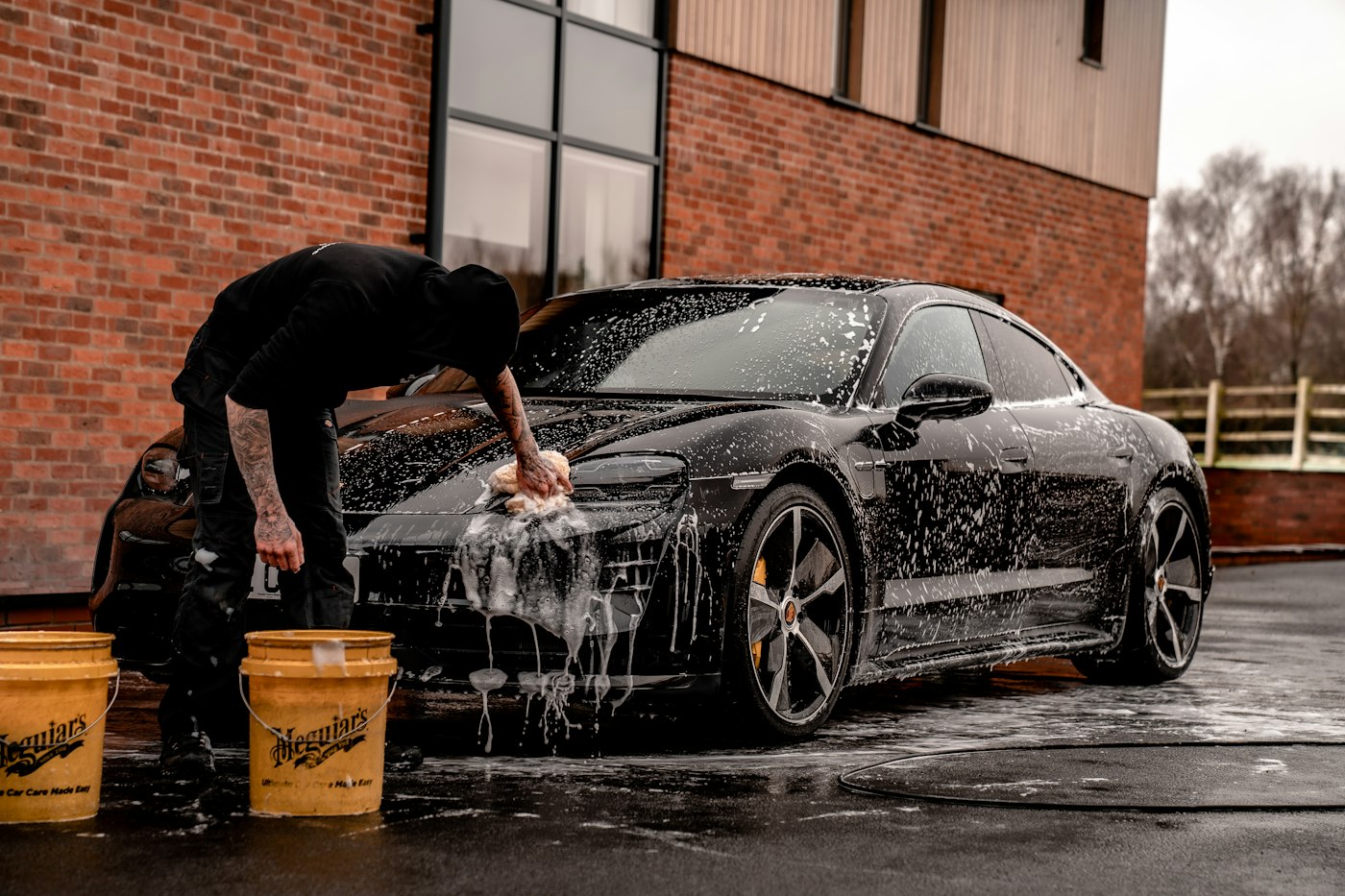
You just invested in a professional ceramic coating for your vehicle. The gloss is incredible, water beads off like mercury, and every surface looks flawless. Now what? The coating does most of the heavy lifting, but proper maintenance is what separates a coating that lasts two years from one that lasts seven. This guide covers everything you need to know to maximize the lifespan and performance of your ceramic coating, especially in California's demanding climate.
The First 7 Days After Application: The Curing Period
The first week after ceramic coating application is critical. During this period, the coating is still curing and bonding to your vehicle's clear coat. Here are the rules for this initial phase:
Do not wash the vehicle for at least 7 days. Water exposure during the curing period can create water spots that become trapped under the coating's surface as it hardens. If your vehicle gets rained on during this period, gently blot the water off with a clean microfiber towel rather than wiping or rubbing.
Do not park under trees. Tree sap, bird droppings, and pollen can bond to the still-curing coating surface and become extremely difficult to remove without damaging the fresh coating.
Avoid parking in direct sun for extended periods. While ceramic coating is UV-resistant once cured, the curing process itself benefits from moderate, consistent temperatures. A garage or covered parking area is ideal during the first week.
Do not apply any products. No spray detailers, no quick wax, no tire shine. Let the coating cure completely before introducing any additional products to the vehicle's surface.
Do not drive on dirt or gravel roads. Dust and debris kicked up during driving can embed in the still-soft coating surface. Keep driving to paved roads only during the curing window.
The Proper Washing Method for Ceramic Coated Vehicles
Once the curing period is complete, regular washing is the single most important maintenance step. A ceramic coated vehicle is dramatically easier to wash than an uncoated one, but the method still matters.
The Two-Bucket Method
The two-bucket wash method remains the gold standard for ceramic coated vehicles. Here is the process:
Pre-rinse thoroughly. Before touching the paint, rinse the entire vehicle with a pressure washer or strong hose stream to remove loose dirt and debris. This step prevents dragging particles across the coating during the contact wash phase. If you have a foam cannon, apply a layer of pH-neutral snow foam and let it dwell for 3-5 minutes before rinsing. The foam encapsulates dirt particles and lifts them off the surface.
Fill two buckets. One bucket contains clean water with pH-neutral car shampoo. The other bucket contains plain clean water with a grit guard at the bottom. The grit guard traps dirt particles at the bottom of the rinse bucket so they cannot transfer back to your wash mitt.
Wash panel by panel. Dip a clean microfiber wash mitt into the soapy bucket, wash one panel (one door, one fender, etc.), then rinse the mitt thoroughly in the clean water bucket before returning to the soapy bucket. Work from top to bottom, as the lower panels carry the most contamination.
Rinse and dry. Final rinse the entire vehicle, then dry immediately using a high-quality drying towel or a filtered air blower. Do not let the vehicle air dry, as even filtered water contains minerals that will leave water spots.
Recommended Washing Products
Shampoo: Use a pH-neutral (pH 6-8) car shampoo specifically designed for coated vehicles. Brands like Carpro Reset, Gtechniq W1 G-Wash, and Koch Chemie Gentle Snow Foam are excellent choices. These are formulated to clean effectively without stripping or degrading the SiO2 coating layer.
Wash mitt: Use a plush microfiber wash mitt or a lambswool mitt. Avoid sponges, which trap dirt against their flat surface and drag it across the paint.
Drying towel: A high-quality, thick-pile microfiber drying towel (at least 1,200 GSM) is essential. Brands like The Rag Company, Gtechniq MF1 ZeroR, and Carpro DHydrate are purpose-built for coated vehicles. Pat the surface rather than dragging the towel for minimum friction.
Products to Avoid on Ceramic Coating
Many common car care products will damage, degrade, or reduce the effectiveness of your ceramic coating. Here is what to avoid:
Traditional car wax. Wax cannot bond to ceramic coating. It will sit on the surface unevenly, creating streaks and haze, and it will mask the coating's hydrophobic properties. Many vehicle owners instinctively reach for wax after a wash, but with ceramic coating, this is counterproductive.
Polishes and compounds. These are abrasive by design. They are formulated to remove microscopic layers of clear coat, which means they will also remove your ceramic coating. Never polish a coated vehicle unless you intend to strip the coating and start over.
Dish soap. Dawn and other household dish soaps are highly alkaline (pH 9-10) and contain degreasers that will strip the ceramic coating's hydrophobic layer over time. This is one of the most common mistakes people make.
All-purpose cleaners (APC). Most APCs are alkaline and contain solvents that degrade ceramic coatings. If you need to clean a specific tough spot, use a coating-safe APC at a diluted ratio, and do not let it dwell on the surface.
Automatic car washes. Both brush-type and touchless automatic car washes are harmful. Brush washes scratch the coating (and the clear coat underneath). Touchless washes use highly concentrated alkaline or acidic chemicals to compensate for the lack of contact, and these chemicals accelerate coating degradation.
Vinegar-based or citrus-based cleaners. These are acidic and can etch certain ceramic coatings with repeated use.
Seasonal Maintenance Schedule for California
California's climate creates specific maintenance demands that differ from other regions. Here is a seasonal maintenance calendar:
Spring (March - May)
Spring in California brings pollen, especially in Solano County and the Central Valley. Pollen is acidic and, if left on the coating, can stain or etch the surface. Wash your vehicle weekly during peak pollen season. This is also a good time to apply a ceramic coating booster spray (SiO2 spray sealant) to refresh the coating's hydrophobic properties after winter.
Summer (June - August)
Summer is the harshest season for your coating. Intense UV exposure, extreme heat (especially in inland areas like Sacramento and Vacaville), and increased bug splatter all take a toll. Wash every 1-2 weeks, and remove bug splatter promptly with a coating-safe bug remover. Park in shade or a garage whenever possible. Consider a mid-year ceramic booster application to reinforce UV protection.
Fall (September - November)
Fall brings tree sap and falling leaves. Tree sap is one of the most damaging contaminants for ceramic coatings because it bonds chemically to the surface. If sap lands on your coated vehicle, remove it as quickly as possible using a sap-specific remover or isopropyl alcohol (IPA) at a 1:1 dilution with water. Do not scrape or use your fingernails. Fall is also an ideal time for a professional maintenance wash and inspection.
Winter (December - February)
California winters are mild compared to the rest of the country, but coastal areas bring salt air that can accelerate coating degradation. If you are near the coast in Monterey County, wash more frequently during winter to remove salt deposits. Rain also brings airborne contaminants that settle on your vehicle as the water evaporates. Wash after rain events when possible.
Annual Professional Maintenance
Even with perfect at-home care, we recommend a professional maintenance detail once or twice a year. This includes:
Decontamination wash. Over time, iron particles from brake dust and rail dust embed in the coating surface. A professional iron remover treatment dissolves these particles without damaging the coating.
Coating inspection. A trained eye under professional lighting can identify areas where the coating may be thinning or failing before the damage becomes visible to the naked eye.
Booster application. A professional-grade SiO2 booster spray applied after decontamination refreshes the coating's hydrophobic properties, UV resistance, and gloss. This is especially important in California, where UV exposure is relentless.
Interior refresh. While you are getting the coating maintained, this is a natural time to have the interior professionally detailed as well. Leather conditioning, steam sanitation, and surface protection keep the inside matching the outside.
When to Re-Coat: Signs Your Ceramic Coating Is Failing
No ceramic coating lasts forever. Even the best professional-grade coatings will eventually degrade. Here are the signs that it is time for a fresh application:
Reduced water beading. This is the most obvious sign. Fresh ceramic coating produces tight, round water beads that roll off the surface. As the coating degrades, water begins to sheet rather than bead, and droplets become flatter and larger.
Increased difficulty washing. When the coating is performing well, contaminants release easily with a simple wash. If you notice that dirt, bug splatter, or bird droppings are sticking more stubbornly than they used to, the coating is losing its self-cleaning properties.
Water spots that will not wash off. Ceramic coating should resist water spot formation. If you are seeing mineral deposits that survive a regular wash, the coating's chemical resistance is compromised.
Loss of gloss. Compare your vehicle's current appearance to how it looked when the coating was first applied. A noticeable loss of depth and reflectivity indicates coating degradation.
Staining from contaminants. If bird droppings or tree sap leave a visible mark even after prompt removal, the coating is no longer providing adequate chemical resistance.
When you notice these signs, it is time for professional evaluation. Depending on the extent of degradation, you may need a full strip and re-coat, or you may be able to extend the coating's life with a professional correction and booster application. Contact us for a free assessment at either our Solano County or Monterey County location.
Quick Reference: Ceramic Coating Maintenance Dos and Don'ts
Do: Wash every 1-2 weeks with pH-neutral shampoo. Use the two-bucket method. Dry immediately after washing. Remove contaminants (bird droppings, sap, bugs) promptly. Park in shade or a garage when possible. Apply SiO2 booster spray every 3-6 months. Get a professional maintenance detail annually.
Don't: Use automatic car washes. Apply wax or traditional sealant over coating. Use dish soap, APC, or abrasive cleaners. Polish or compound the coating. Let contaminants sit on the surface for days. Air dry the vehicle after washing. Skip the curing period rules.
If you are considering getting ceramic coating and want to understand the investment, read our complete guide to ceramic coating costs in California. And if you are curious about how California weather affects your paint, we have a detailed breakdown of the environmental factors that make coating essential in this state.
Frequently Asked Questions
Wash your ceramic coated car every 1-2 weeks using the two-bucket method with a pH-neutral car shampoo. In California, you may need to wash more frequently during summer due to increased dust, bug splatter, and bird droppings. Avoid letting contaminants sit on the coating for extended periods, as even ceramic coating has limits to chemical resistance over time.
No. Automatic car washes use abrasive brushes and harsh chemicals that will degrade and scratch your ceramic coating over time. Touchless automatic washes are slightly better but still use highly alkaline or acidic chemicals that accelerate coating degradation. Always hand wash your ceramic coated vehicle or use a professional maintenance wash service.
Avoid wax (it cannot bond to ceramic and leaves residue), traditional polish or compound (these are abrasive and will remove the coating), dish soap (too alkaline, strips coating), all-purpose cleaners with high pH, and any product containing petroleum distillates. Use only pH-neutral car shampoos and products specifically designed for ceramic coated surfaces.
Signs your ceramic coating is failing include reduced water beading (water sheets instead of beading into tight droplets), increased difficulty removing contaminants during washes, visible water spots that do not wash off easily, loss of gloss and depth compared to when the coating was new, and increased susceptibility to staining from bird droppings or tree sap.
No. Do not apply wax over ceramic coating. Wax cannot properly bond to a ceramic surface and will leave streaky, uneven residue that diminishes the coating's hydrophobic properties. If you want to boost your coating's performance, use a ceramic-specific spray sealant or SiO2 booster spray instead of traditional wax.