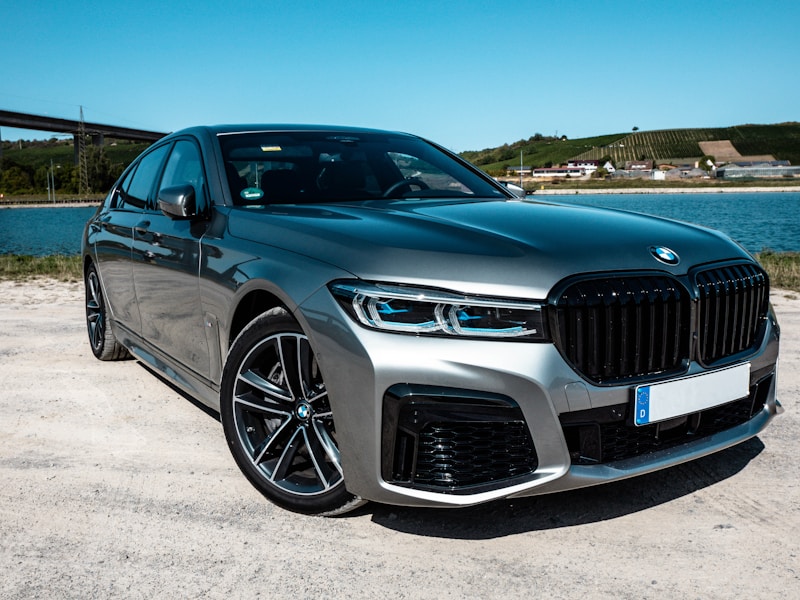
Professional paint correction polishing removing swirl marks from dark vehicle paint in California

Every Car Wash Is Destroying Your Paint

That network of fine lines visible in direct sunlight? Those are swirl marks, and nearly every vehicle on the road has them. They are caused by automatic car washes with dirty brushes, improper hand washing techniques, dirty towels dragged across the surface, and even careless drying. Each one of those micro-scratches catches light and scatters it, turning what should be a mirror-like reflection into a hazy, dull surface.

Most detailers will tell you they can fix swirls with a "one-step polish." What they actually do is fill those scratches with temporary fillers and glazes that wash away within weeks, revealing the same damaged paint underneath. That is not correction. That is cosmetics masking a structural problem.

True paint correction, the kind Ascend Detail performs, physically removes the damaged layer of clear coat through controlled machine polishing. The swirls, scratches, water spots, and oxidation are not hidden. They are gone. Permanently. What remains is paint that reflects light with the depth and clarity it had when it left the factory, or in many cases, better.

For vehicle owners in Fairfield, Sacramento, Granite Bay, Walnut Creek, Danville, and throughout the Monterey area, paint correction is the foundation of any serious detailing regimen. Without it, even the most expensive ceramic coating will simply seal in imperfections you will have to look at for years.


Before and after paint correction showing swirl mark removal on luxury vehicle hood

Understanding Correction Stages

Paint correction is not a one-size-fits-all service. The level of correction your vehicle needs depends on the severity of the defects, the hardness of the paint, and the results you want to achieve. Ascend Detail offers three tiers of correction to match every situation.

Single-Stage Correction: Ideal for vehicles with light swirl marks and minor imperfections. A single pass with a medium-cut compound and finishing polish removes approximately 60 to 70 percent of visible defects. This is the right choice for newer vehicles or daily drivers that want a significant improvement without the investment of a full multi-stage correction.

Two-Stage Correction: The most popular option for vehicles with moderate swirling, light scratches, and water spot etching. The first stage uses a cutting compound to level deeper defects, and the second stage uses a finishing polish to refine the surface to a high-gloss mirror finish. Removes 85 to 95 percent of imperfections.

Three-Stage Correction: Reserved for severely neglected or damaged paint. This process involves a heavy-cut stage to address deep scratches and oxidation, followed by a medium-cut refinement and a final finishing polish. The result is the absolute maximum correction achievable without repainting. This level is common on exotic and hypercar projects where perfection is the only acceptable outcome.

The Ascend Detail Paint Correction Process

Detailer using paint thickness gauge measuring clear coat depth before correction

Step 1: Paint Assessment and Thickness Measurement

Before any polishing begins, we measure the paint thickness on every panel using a digital paint thickness gauge. This tells us exactly how much clear coat is available to work with and ensures we never remove more material than is safe. We also map out every defect under LED inspection lighting.

Step 2: Full Decontamination

The vehicle receives a thorough hand wash, iron fallout treatment, and clay bar decontamination. Any bonded contaminants left on the surface would be ground into the paint during polishing, creating new damage. The surface must be clinically clean before we begin.

Step 3: Machine Polishing

Using a combination of dual-action and rotary polishers with carefully selected compound and pad combinations, we work panel by panel to remove defects. Each section is polished, wiped clean, and inspected under multiple light angles before moving on. The compound and pad combination is adjusted based on each panel's paint hardness and defect severity.

Step 4: Refinement and Finishing

After the cutting stage, a finer polish and softer pad are used to refine the surface to a mirror-like clarity. This step removes any micro-marring left by the cutting process and brings out the maximum depth and gloss from the paint.

Step 5: IPA Wipe-Down and Final Inspection

An isopropyl alcohol wipe-down removes all polish residue and reveals the true condition of the corrected paint with no fillers or oils masking the results. A final 360-degree inspection under multiple LED light sources confirms that every panel meets our standards. From here, we recommend ceramic coating to lock in the results.

What's Included in Paint Correction

  • Digital paint thickness measurements on every panel
  • Full decontamination wash with iron fallout removal
  • Clay bar treatment for bonded contaminant removal
  • Multi-stage machine polishing (stage count based on paint condition)
  • Panel-by-panel LED inspection during and after correction
  • IPA wipe-down to reveal true results without fillers
  • Before and after documentation photography
  • Post-correction paint protection recommendations
  • Free ceramic coating consultation

Why Choose Ascend Detail for Paint Correction

Hypercar Paint Experience

We have corrected paint on Bugattis, Koenigseggs, and Paganis, vehicles where a single panel respray can cost tens of thousands of dollars. This experience has built an instinct for safe, precise material removal that protects your investment while delivering flawless results. Every vehicle we touch benefits from this level of training.

Measured, Not Guessed

We do not guess how much clear coat your vehicle has. We measure it. Digital paint thickness gauges are used before, during, and after every correction to ensure we stay within safe parameters. This data-driven approach means your paint is protected throughout the process and will remain thick enough for future maintenance.

No Fillers, No Shortcuts

Every result we show you is verified with an IPA wipe-down that strips away any polish residue or fillers. What you see is the actual corrected surface, not a temporary gloss that fades after the first wash. This transparency is our standard because our clients deserve to know exactly what they are paying for.

Paint Correction FAQ

What is paint correction?

Paint correction is the process of using machine polishing to permanently remove imperfections from your vehicle's clear coat. This includes swirl marks, light scratches, water spots, oxidation, and haze. Unlike fillers or glazes that temporarily mask defects, paint correction physically removes the damaged layer to reveal flawless paint underneath.

How many stages of paint correction does my car need?

This depends on the severity of your paint's condition. A single-stage correction addresses light swirling and minor defects, removing approximately 60-70% of imperfections. A two-stage correction handles moderate swirls and scratches, achieving 85-95% removal. A three-stage correction is reserved for severely damaged or neglected paint requiring maximum correction. Ascend Detail performs a free paint assessment to recommend the right level.

Will paint correction damage my clear coat?

When performed by a trained professional, no. Paint correction removes only the thinnest possible layer of clear coat necessary to level out imperfections. Our technicians use paint thickness gauges before, during, and after the process to ensure safe material removal. With experience on Bugattis and Koenigseggs, we understand the precision required.

How long does paint correction last?

Paint correction results are permanent because the defects are physically removed, not masked. However, new swirls and scratches can develop over time from improper washing or environmental exposure. We strongly recommend following paint correction with ceramic coating to protect the corrected finish for 2-5 years.

Can paint correction remove deep scratches?

Paint correction can remove scratches that are within the clear coat layer. If you can catch your fingernail in a scratch, it has likely penetrated through the clear coat into the base coat or primer, which requires touch-up paint or repainting. During our assessment, we will identify which scratches can be corrected and which require alternative treatment.

How long does paint correction take?

A single-stage correction typically takes 4-6 hours. A two-stage correction takes 8-12 hours. A three-stage correction can take 12-20 hours spread over multiple days. Time varies based on vehicle size, paint hardness, and the severity of defects. We never rush the process.

Should I get paint correction before ceramic coating?

Yes, absolutely. Ceramic coating locks in whatever condition your paint is in. If you apply coating over swirled or scratched paint, those defects are sealed under the coating and will be visible for years. Paint correction before ceramic coating ensures you are protecting a flawless finish.

Do you offer paint correction as a mobile service?

Yes. Ascend Detail performs paint correction at your location across Fairfield, Vacaville, Sacramento, Roseville, Granite Bay, Walnut Creek, and the Monterey area. Our mobile setup includes professional-grade polishers, LED inspection lighting, and paint thickness gauges to deliver studio-quality results on-site.

Book a Paint Correction Consultation

Contact Ascend Detail for a free paint assessment. We will inspect your vehicle under professional lighting, measure your clear coat thickness, and recommend the right level of correction for your goals.

Call Now Get a Quote